
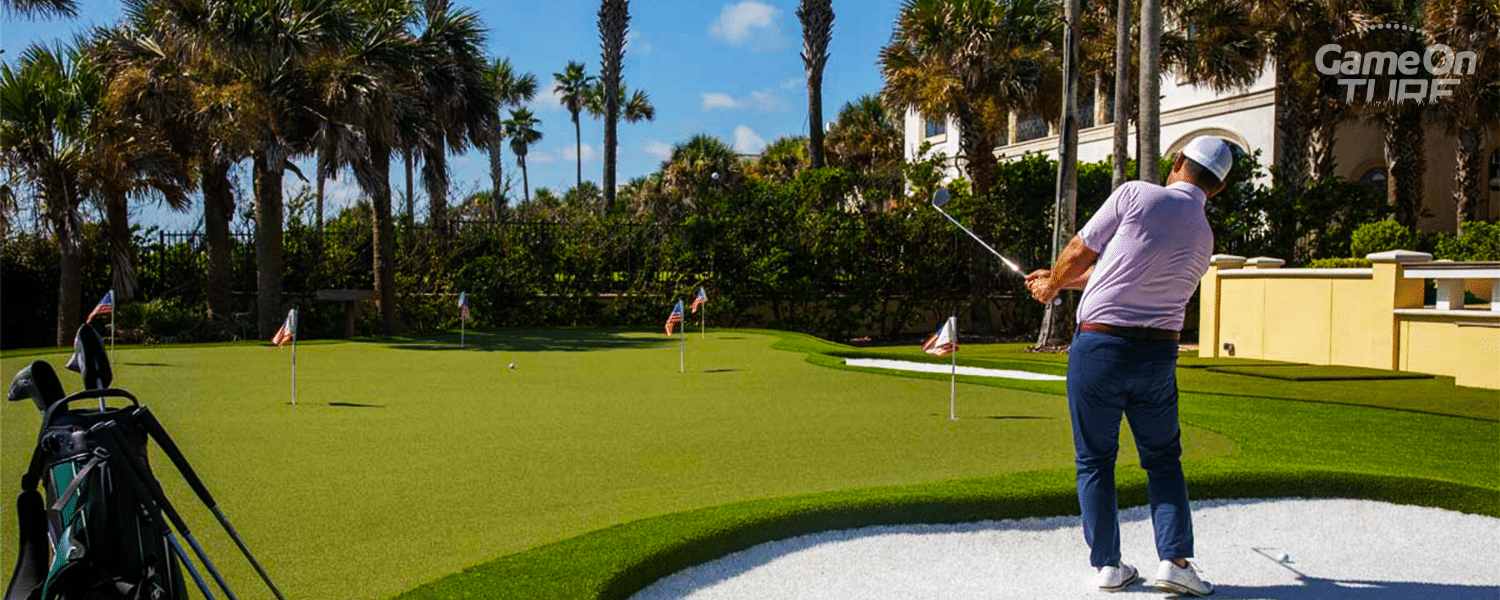
Golf courses throughout New Zealand depend greatly on surface quality, as it directly affects how players experience each round. Many facilities are now exploring artificial turf in NZ as a reliable alternative to natural grass, offering consistent performance in changing weather conditions. Natural grass has long been the preferred option, valued for its soft feel and classic appearance.
However, maintaining it in good condition requires ongoing care throughout the year, which is why more course managers are turning to artificial turf in NZ for easier upkeep and long-term durability.
This blog explains how different surface types affect the performance and maintenance of golf facilities in New Zealand. Artificial turf in NZ has gained attention as a dependable option that reduces upkeep while maintaining quality play. Understanding the advantages of both natural grass and synthetic turf helps course managers make informed choices for better long-term results and cost efficiency.
Golf surfaces have a big effect on how consistent and accurate a game feels, as well as on player comfort. Natural grass provides a classic playing surface with a familiar feel underfoot, but its texture varies with the soil and season. Players often notice uneven bounce and roll on grass greens, which can affect how they putt and control short shots.
Artificial turf in NZ gives golfers a consistent surface that stays the same in any season. It is made with layers designed to feel like real grass, keeping play smooth and reliable. Many golf courses and practice areas opt for turf because it performs well in all weather conditions and requires less maintenance to stay in good shape.
Professional and amateur players gain from a course surface that delivers consistent performance throughout the year. Reliable conditions help avoid surprises caused by uneven grass or wet patches that slow the ball. Golfers appreciate that artificial surfaces offer smooth ball roll and reduce problems caused by natural bumps and irregularities.
Natural grass in New Zealand faces many challenges because of the weather, such as heavy rain or strong sunlight. Wet conditions can make the ground soggy and muddy, while hot weather can dry out the grass and cause uneven patches. Golf course staff have to watch the grass carefully to keep it in good shape for golfers of all skill levels.
Artificial turf in NZ stays strong through all kinds of weather, keeping the surface even and ready for play year-round. Courses using synthetic greens can stay open during wet or dry periods without damage. The turf drains water quickly and holds up well under sunlight, helping it last longer with less wear.
Seasonal maintenance is very different for natural grass and artificial turf, which affects how they play over time. Natural grass needs time to recover after rain or frost, but artificial turf bounces back quickly when the weather gets better. Golf course managers often prefer artificial turf because it means less waiting due to weather or upkeep.
Natural grass wears out with constant use, especially in busy areas like putting greens or tee boxes. Even with regular reseeding and watering, keeping an even surface takes a lot of work throughout the year. When the grass starts to thin, the soil becomes compacted, which affects how the ball moves and reduces grip underfoot, making the surface uneven.
Artificial turf in NZ performs well under constant use without losing structure or visual appeal. The material resists flattening under pressure, providing a durable layer that maintains its shape after repeated swings or footsteps. Synthetic fibres are designed to absorb shock, helping protect the ground beneath while offering a steady base for smooth play.
Over time, turf lasts longer and needs fewer repairs than natural grass. Golf centres use turf practice areas to cut down on maintenance and keep the surface even. Turf usually stays in good condition for several years before it needs to be replaced or fixed.
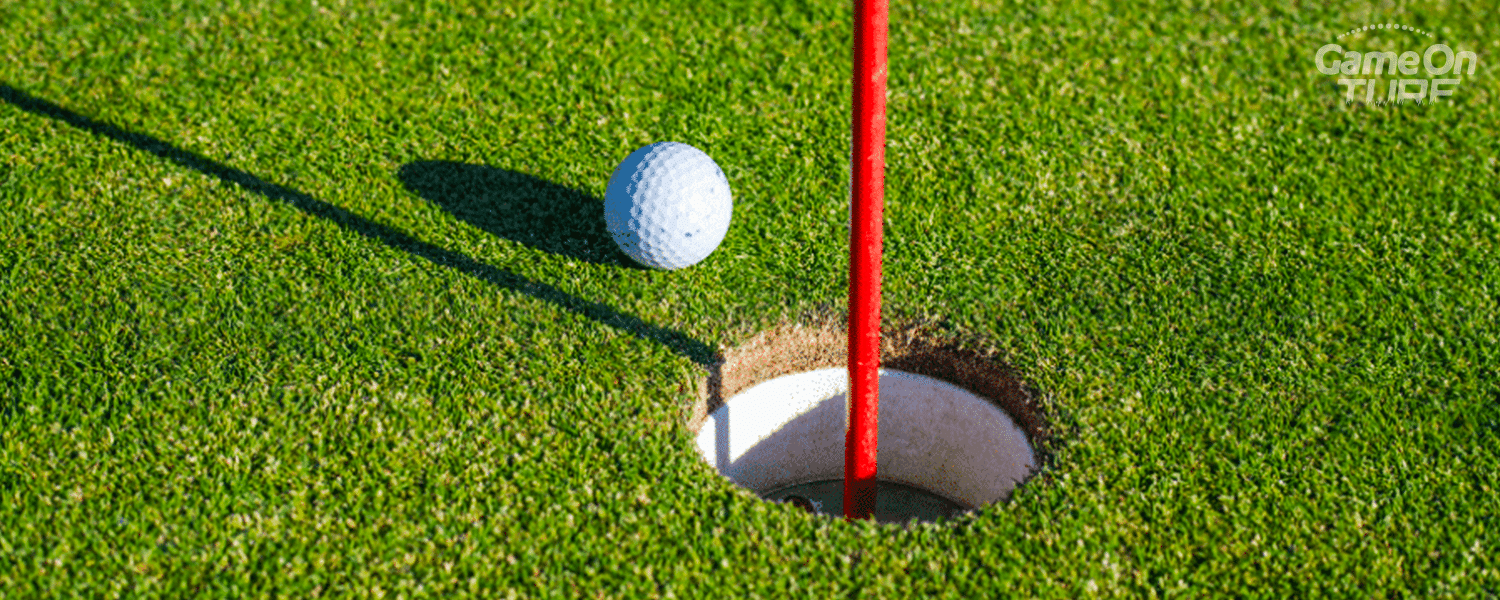
Surface consistency has a strong effect on how golf balls move during play, especially when they roll or land. On natural grass, uneven areas can disturb spin or slow the ball suddenly, making players adjust their shots often. Small changes in grass length or moisture can also change direction, affecting results in both competitions and casual games.
Artificial turf vs natural grass for golf courses in NZ often shows that turf provides steadier control and predictable outcomes. Synthetic fibres and base layers create an even surface, enabling more accurate bounce and roll behaviour across entire putting greens. Golfers find it easier to adapt their technique, as the ball interacts with the turf in uniform ways, regardless of external conditions.
Such predictability helps players refine their technique and gain confidence when practising or competing. In contrast, grass can change character between seasons, introducing variations that challenge precision. Artificial designs bridge that inconsistency gap, helping golfers enjoy steady performance without adjustments caused by shifting terrain or weather influence.
Caring for natural grass demands significant time and labour investment, as it must be trimmed, watered, and fertilised frequently. The maintenance process also includes pest control, irrigation adjustments, and soil aeration, which all increase operational expenses. Water usage alone often becomes a concern, especially during dry seasons when supply restrictions come into effect.
Artificial turf in NZ reduces the workload dramatically through simple cleaning and occasional brushing. There is no need for mowing or watering, which cuts down recurring costs and environmental impact. Synthetic materials resist weed growth and require fewer treatments, helping facilities allocate resources towards other improvement projects.
The difference in maintenance intensity leads many course owners to reconsider traditional options. Artificial surfaces ensure long-term cost control and sustainability without ongoing disruptions. Although initial setup requires expert installation, once complete, maintenance becomes far less demanding and easier to manage for small or large clubs alike.
Evaluating expenses highlights why some New Zealand golf facilities have shifted towards synthetic systems. Establishing natural grass involves seeding, irrigation networks, fertilisers, and labour, which accumulate significantly over time. Regular upkeep consumes a steady budget, as seasonal care cannot be avoided if high standards must be maintained.
The cost of installing an artificial putting green in NZ can appear higher at first glance, yet the long-term savings often outweigh initial expenditure. Once fitted, there are minimal recurring costs beyond basic cleaning and inspection. Clubs see value through reduced staff hours, lower water bills, and the elimination of mowing equipment purchases.
Cost planning often reveals the financial practicality behind turf investment when compared with long-term natural care. Over several years, consistent savings create a noticeable difference in operational efficiency. Decision-makers tend to value sustainability and predictability, leading them to consider synthetic designs a sound option for stable budget management.
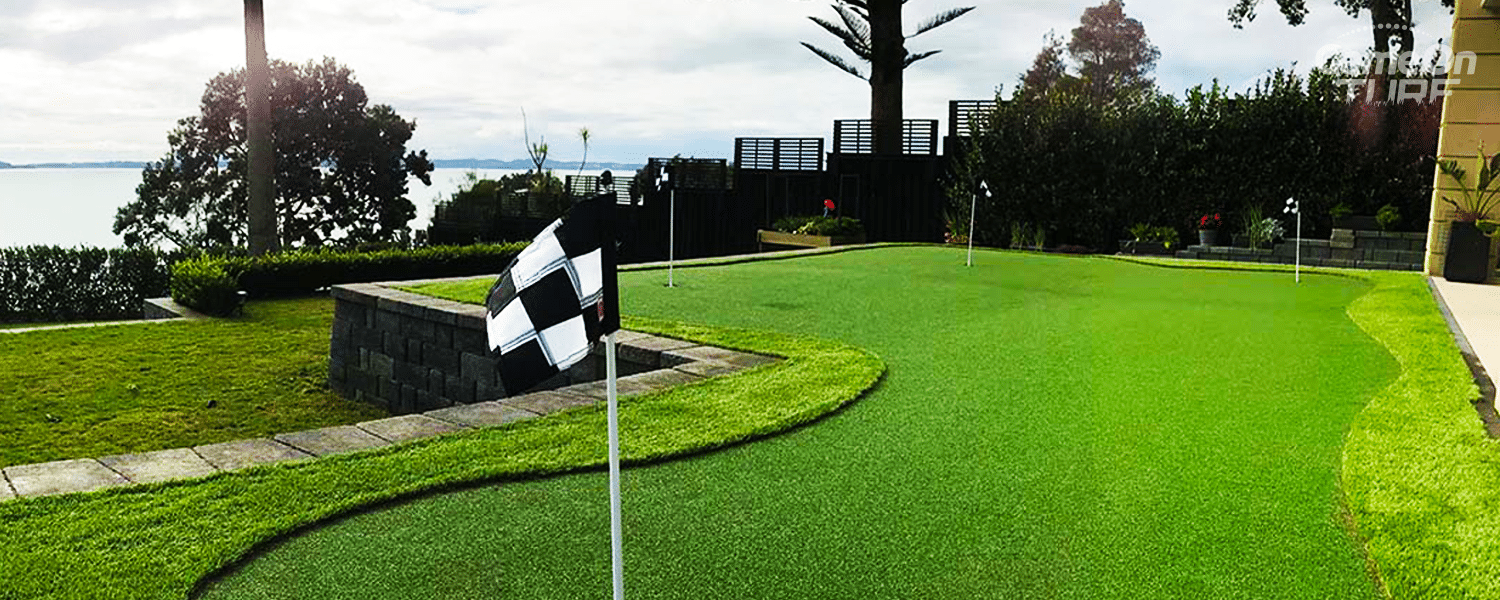
Playing comfort remains a strong factor influencing course surface choice, as golfers rely on stability and smoothness during each swing. Natural grass can become uneven due to wear, moisture, or patchy regrowth, affecting traction and stance reliability. During wetter periods, soft soil can cause minor slips that disrupt concentration and rhythm throughout play.
Artificial turf in NZ creates a uniform footing and consistent texture that enhances stability. Shock-absorbent layers reduce strain on joints, making long sessions more comfortable for players across all skill levels. Even in damp weather, the surface remains firm and supportive, avoiding issues commonly experienced on muddy or slippery fairways.
Regular users often report improved comfort during practice sessions due to the turf’s balanced composition. It eliminates harsh transitions between dry and wet areas, providing a dependable feel across the entire greens. Golf clubs seeking consistent player satisfaction often select synthetic options for both safety and comfort during play.
Environmental issues play a big role in choosing golf course surfaces. Comparing natural grass and artificial turf shows how each uses resources and impacts sustainability.
Natural grass needs a lot of watering, which can use up local water supplies, especially in dry times. It also requires fertilisers and pesticides, which can harm the soil and nearby water. The environmental impact of artificial turf on golf courses is generally positive because it uses much less water and doesn’t need chemicals, making it better for the environment.
Natural grass creates organic waste like grass cuttings, which need to be disposed of or composted carefully. Artificial turf is made from plastics and other materials, so it needs to be recycled or thrown away properly to avoid pollution. However, because artificial turf lasts longer, it creates less waste overall.
Looking after natural grass needs petrol-powered machines like mowers and irrigation pumps, which release greenhouse gases. Making artificial turf uses energy at first, but it needs less work later, so it produces fewer emissions over time. Using artificial turf in NZ helps reduce the carbon footprint of golf courses while keeping the playing surface good.
Performance on the golf course is closely tied to the surface players compete on. While natural grass brings a traditional appeal, it often requires extensive care and can be affected by weather, leading to inconsistent conditions. Synthetic turf offers a dependable alternative, delivering uniform playability that remains steady through changing seasons.
Artificial turf in NZ continues to rise in popularity among facilities seeking dependable surfaces and efficient maintenance solutions. GameOn Turf provides expert guidance and installation services that help create realistic and resilient golf environments. Each design is engineered for durability and visual quality, ensuring that every swing occurs on a surface designed for long-term playability and comfort.
SEO By 
